
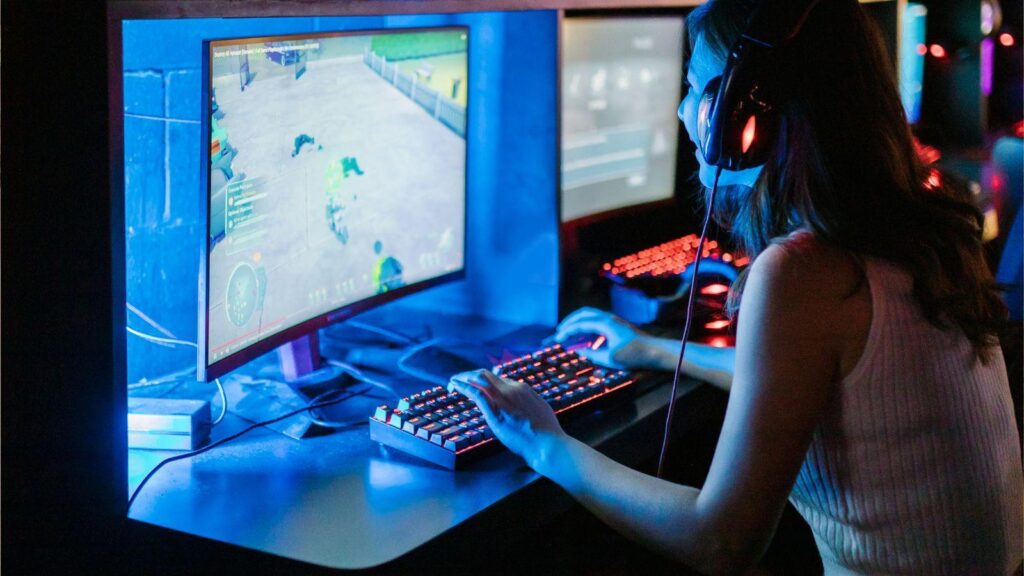
If you walk into any modern esports arena or gaming lounge, where competitive players and casual visitors gather in growing numbers, you will quickly notice that something about the front desk, which has long served as the first point of contact, feels distinctly different from what you might expect. The one welcoming you at the front desk might not be human at all. AI now extends far beyond NPCs and level design. It now sits at the threshold of real-world gaming spaces, where it actively answers questions, books sessions, and directs visitors to the right locations long before they ever pick up a controller. Hospitality technology and gaming culture are merging to produce a welcome experience that never sleeps, speaks many languages, and skips coffee breaks. For players, tournament organisers, and venue operators alike, this shift raises a fascinating question: could automated front-desk intelligence become the default greeting at gaming destinations worldwide?
How the Gaming Industry Is Quietly Adopting AI at the Front Desk
From Chatbots to Conversational Hosts
Early attempts at automating customer interactions in gaming relied on rigid chatbot scripts. Visitors would type a question, receive a canned reply, and often abandon the conversation frustrated. Modern solutions look nothing like those first-generation tools. Today, an AI receptionist can interpret natural language queries, schedule tournament slots, confirm membership details, and even offer personalised recommendations about which gaming stations are free. These systems learn from every interaction, refining responses and anticipating common needs. The jump from scripted FAQ bots to adaptive conversational hosts has been decisive for adoption in gaming environments where speed and accuracy matter just as much as friendliness.
Why Gaming Venues Moved Faster Than Traditional Hospitality
Gaming lounges and esports arenas tend to draw in a particularly tech-savvy audience that, because of their deep familiarity with digital tools, actively prefers digital-first interactions over traditional face-to-face communication methods. Many guests already use Discord, voice channels, and mobile apps, making an automated front desk feel natural rather than off-putting. Venue operators recognised this cultural advantage early on, understanding that their tech-savvy audience would readily embrace automated reception systems because such tools already aligned with the digital habits guests had developed through years of online gaming. Instead of simply bolting technology onto a reluctant workflow that would have resisted such additions, they carefully integrated voice and text-based reception tools right alongside their existing booking platforms and loyalty programmes, ensuring that every digital touchpoint worked together as part of a unified, coherent system. This creates a smooth onboarding experience matching the digital fluency players expect elsewhere.
What Makes an AI Receptionist a Perfect Fit for Gaming Venues and Esports Arenas
Round-the-Clock Availability During Tournaments and Late-Night Sessions
Gaming ignores traditional business hours completely. Major tournaments extend well into the night, and many LAN centres operate around the clock during event weekends. Hiring a sufficient number of human staff members to adequately cover every single shift throughout the day and night proves to be both financially expensive and logistically difficult to manage. An automated reception system solves the staffing gap by remaining active at any hour, handling registrations at 3 a.m. with the same level of precision and accuracy that it consistently delivers during the busy midday hours when foot traffic is typically at its peak. This reliability builds trust with competitive players who travel for events and show up at unpredictable hours. It also frees human team members to focus on complex tasks like technical support, community management, and live-event coordination.
Multilingual Support for International Competitors
Esports is a global phenomenon. A single regional qualifier might welcome participants from a dozen different countries. Language barriers at the front desk can slow down check-in, create confusion about venue rules, and dampen the overall atmosphere. AI-driven reception tools switch between languages instantly, making every guest feel understood from the moment they walk through the door. That capability is particularly valuable for venues hosting international LAN parties, where rapid communication prevents delays and keeps brackets running on schedule. As we have explored in our coverage of AI-driven solutions reshaping multiple industries, the ability to scale personal service without proportional cost increases is one of the strongest arguments for automation.
Four Ways AI-Powered Reception Transforms the Player and Guest Experience
The benefits reach well beyond basic greetings and surface-level interactions. Venues already report these four concrete improvements:
- Faster check-in times. Automated identity verification and QR-code scanning cut check-in to under thirty seconds.
- Personalised session recommendations. The system analyses past visits and availability to suggest optimal slots and setups for each player.
- Instant issue routing. Guest-reported problems like broken headsets or lag instantly alert the right technician, reducing response times.
- Post-visit engagement. The system sends follow-up messages with loyalty points, event invitations, or surveys after sessions end.
Each of these improvements addresses a specific pain point that traditional reception desks consistently struggle to manage during peak hours, when visitor volume overwhelms staff capacity. When combined together, these improvements create a unified experience that feels both impressively high-tech and genuinely welcoming to every guest who walks through the door.
Real-World Examples of AI Receptionists Already Working in Gaming Environments
Several esports arenas across Europe and Asia have deployed automated front-desk systems since late 2024. A well-known LAN centre chain in South Korea introduced voice-based reception kiosks that greet players by name after facial recognition confirms their membership. In London, a competitive gaming hub paired its booking platform with a conversational assistant that handles walk-in queries, freeing staff to manage live-streamed matches. These are not pilot projects hidden behind beta labels; they serve thousands of visitors each month. Understanding how artificial intelligence continues to reshape game design and development helps explain why physical gaming spaces feel comfortable adopting the same technology that already powers the games people play inside them. The cultural overlap between in-game AI and venue AI lowers the psychological barrier to acceptance.
Overcoming Scepticism: Why Gamers and Operators Are Warming Up to AI Reception
Not everyone was immediately enthusiastic. Early criticism centred on two concerns: impersonal service and data privacy. Gamers worried that removing human greeters would strip venues of community warmth, while operators questioned whether storing visitor data for personalisation could create compliance risks. Both concerns deserve attention, yet the industry has responded with practical answers. Modern reception systems include personality settings that match a venue’s brand voice, complete with humour, slang, and local references that feel authentic rather than robotic. On the privacy side, GDPR-compliant data handling and transparent opt-in policies have addressed regulatory requirements across major markets. Operators who initially resisted are now reporting higher guest satisfaction scores and lower front-desk labour costs, a combination that is hard to argue against. For those curious about the broader arc of gaming history and technological milestones, the arrival of intelligent reception mirrors earlier leaps like online matchmaking and cloud-based saves, changes that faced resistance before becoming invisible norms.
Where the Welcome Desk Meets the Next Level
Evidence from 2025 and early 2026 shows a clear trend. Automated reception technology is no longer considered experimental within the gaming industry, as it has rapidly moved beyond the trial phase and is now becominga standard expectation among venues and visitors alike. As esports arenas expand in scale and gaming lounges increasingly compete for customer loyalty, the quality of the very first interaction that a visitor experiences upon arrival will ultimately separate thriving venues from forgettable ones. Intelligent front-desk systems provide speed, personalisation, and consistency at a scale manual processes cannot match during busy periods. Early adopters gain advantages, and players enjoy faster, personalized service. AI is turning the front desk into a strategic asset.